


In the late afternoon, as the sun begins to dip below the horizon, steam rises gently from a large iron cauldron. Inside, a hearty mix of rice bran, dried straw, bean pods, and oilseed cake simmers together. Once the mixture is boiled, a heavy lid is placed on top, allowing the content to steep. A faint aroma drifts through the air, while the hungry lowing of cattle echoes from a distance. When a scoop of feed is poured into the trough, a cow—blinking its large, gentle eyes—gladly stretches out its tongue to savor the meal. After a long day of slow, steady work in the fields, the cow eats heartily, settles into the barn, closes its eyes, and begins to ruminate in peace.
Ruminants With Four-Chambered Stomachs
Though scenes like this are rare today, they were once common in the countryside. Cows were so valuable that people used to say, “Even if you skip your own meal, never let your cow go hungry.” They were more than livestock—they were the backbone of the farm, capable of doing the work of several men. But among all the animals domesticated by humans, why was it the cow that earned such trust in agriculture?
In the West, horses were sometimes used for farming, but they lacked the endurance of cows and thus were not widely employed. In the East, where rice paddies were common, cows were far more suitable. Their sturdier frames could handle the soft, muddy fields, unlike horses, which were more prone to injury. Moreover, horses, despite consuming more feed and working longer hours, were not ruminants and could not absorb energy as efficiently as cows.
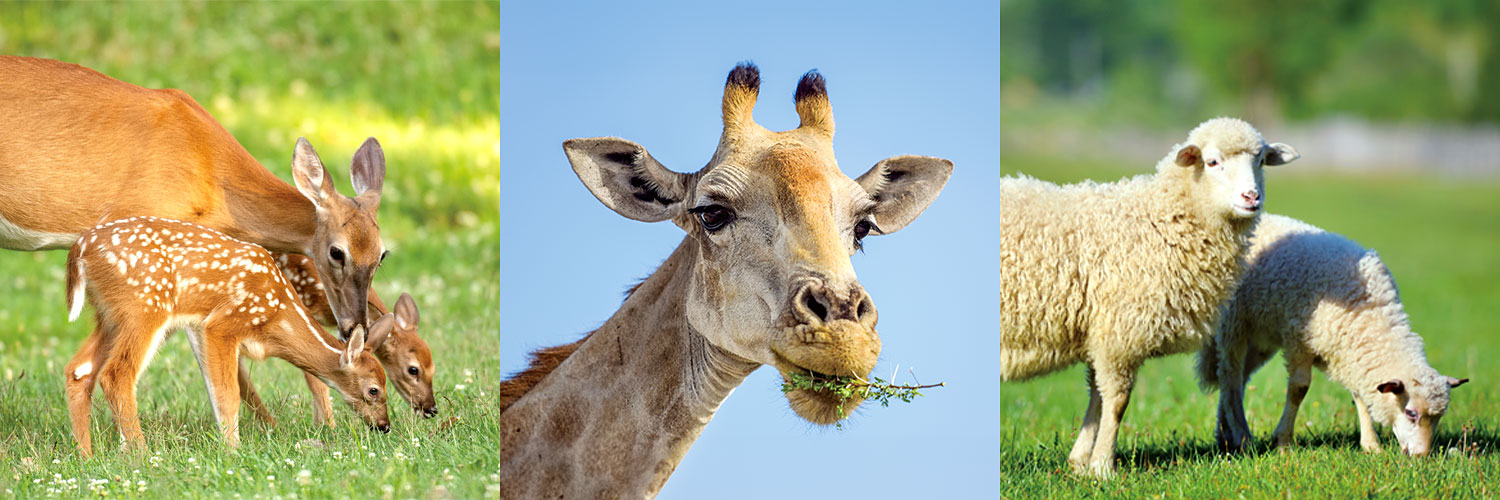
Ruminating refers to the act of regurgitating previously swallowed food and chewing it again. This behavior is seen in a group of mammals that feed on fibrous plant material, which is difficult to digest. Cows, along with camels, deer, sheep, and giraffes, belong to this group and share the characteristic of having a specialized multi-chambered stomach.
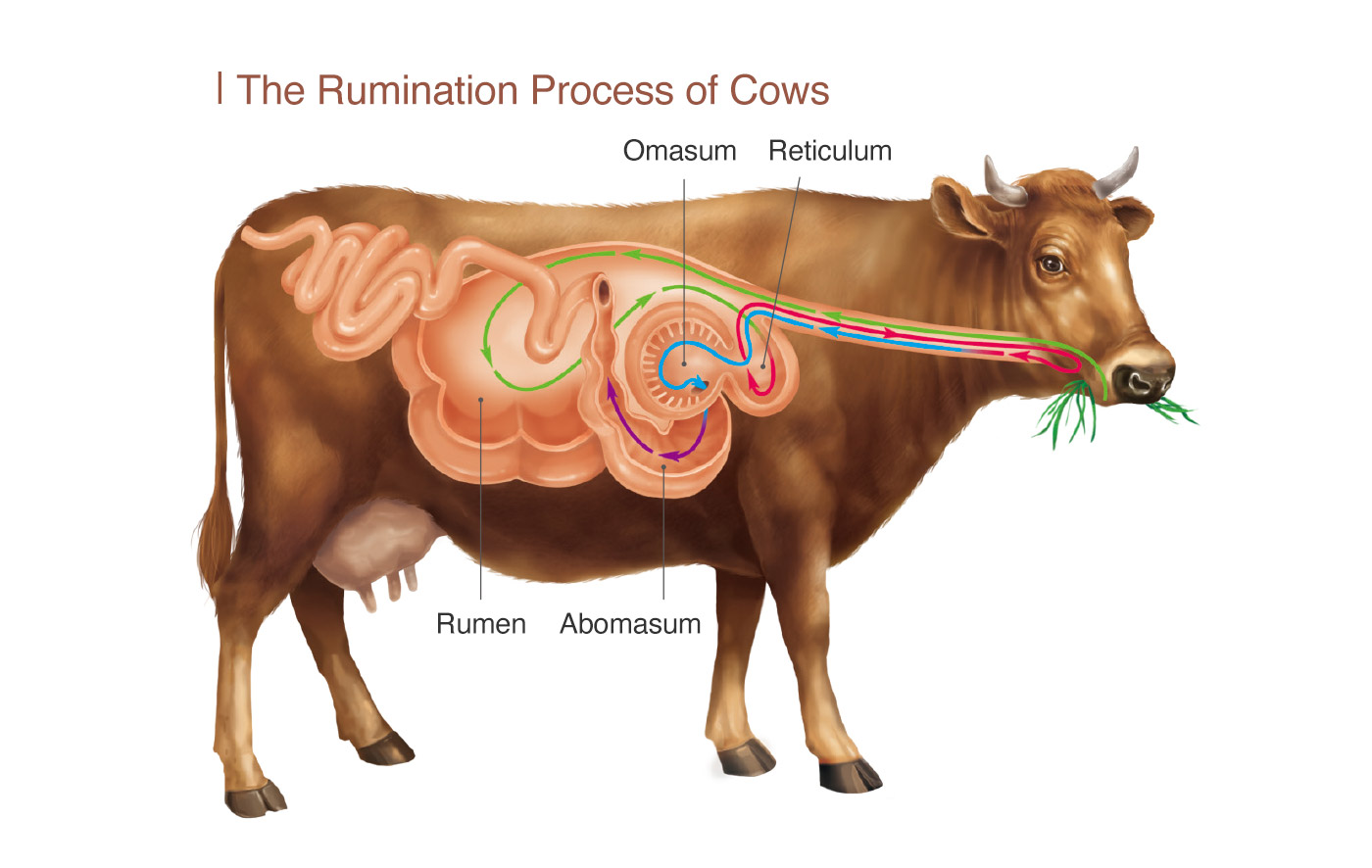
Cows—the quintessential ruminants—differ from humans, who have a single stomach. They possess four. When a cow hurriedly chews and swallows tough grasses, the food first enters the rumen, the largest chamber, where it mixes with microbes and saliva. From there, it moves to the reticulum, whose coarse, honeycomb-like mucosal lining molds the softened mass into rounded lumps. The cow then brings this mass back up in a burp-like motion and chews it thoroughly once more. This is ruminating.
The cow separates moisture from the regurgitated mass and swallows it again, while the remaining solids are mixed with saliva and chewed over 50 times. This process repeats in 13 to 20 sessions per day, totaling 6 to 9 hours of ruminating—mostly at night, particularly after sunset. The number of chews alone can reach up to 30,000 per day. Only after this meticulous process does the food pass to the omasum, the third chamber, for further breakdown, and then to the abomasum, the fourth chamber, for full digestion.
Ruminants grazing in open fields are most vulnerable to predators while eating. Therefore, instead of staying in one spot to digest, they quickly consume as much food as possible and then move to a safer location. Once they confirm it is safe, they ruminate the stored food, allowing them to stay nourished while minimizing risk.
Gaining Weight on Just Grass
Vegetables are a staple of any healthy diet, especially for those trying to lose weight, because humans cannot digest cellulose—the main structural component of plants—and gain little to no nutrition from it. But here is the twist: Even plant-eating animals cannot break down cellulose on their own. Herbivores rely on microorganisms living in their digestive systems to extract energy from plants.
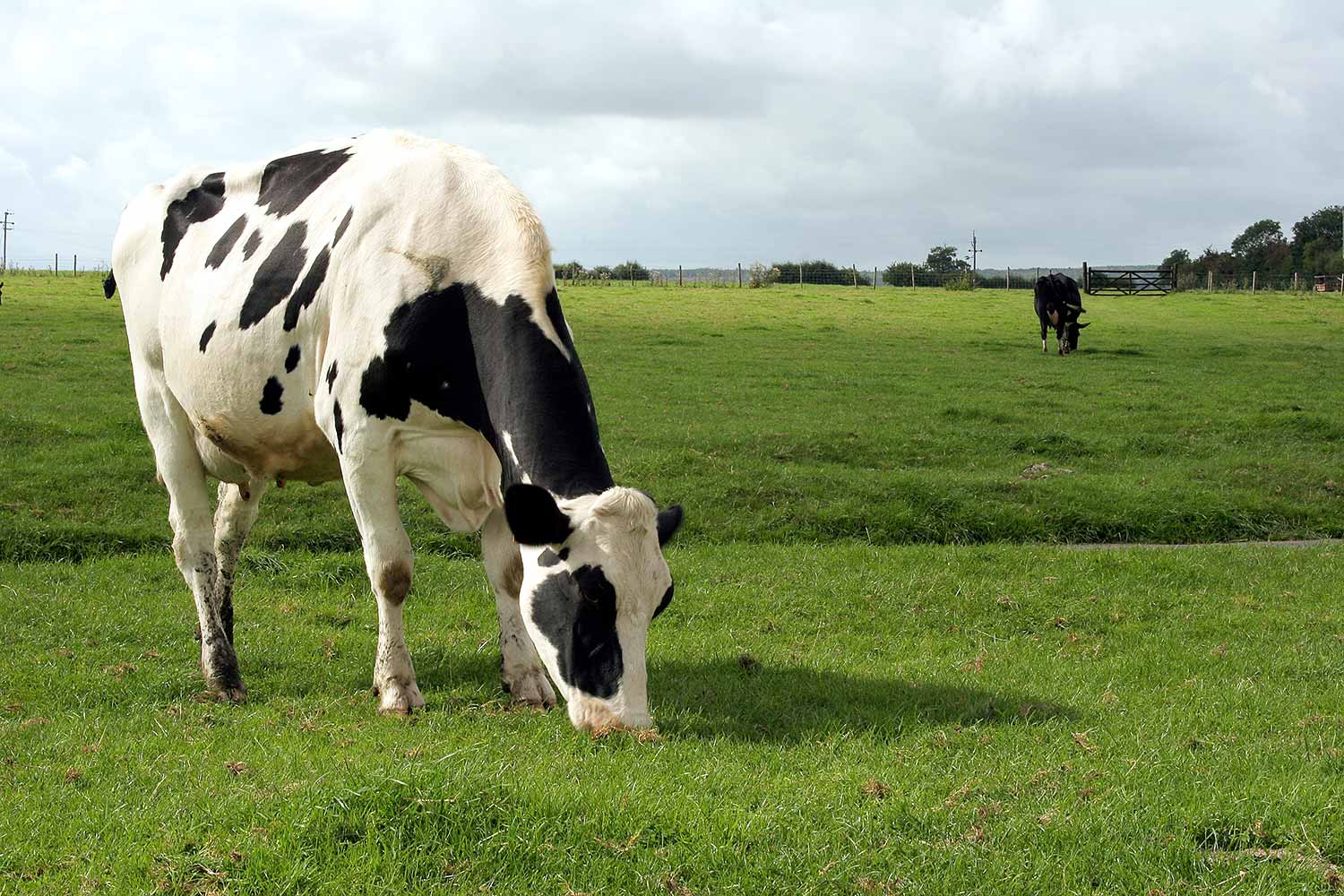
A cow’s stomach hosts a multitude of microorganisms, including bacteria, protozoa, and anaerobic fungi. About half of them are bacteria, with more than 200 species identified so far. Most reside in the rumen and begin breaking down cellulose as soon as the cow swallows grass. These microbes mix with the chewed plant material and continue working throughout the rumination process. As they ferment the glucose extracted from cellulose, they synthesize not only fatty acids but also amino acids and vitamins. By absorbing these nutrients, cows gain a wide and balanced range of nutrition—despite eating nothing but grass.
The omasum, the third chamber of the stomach, absorbs moisture from the regurgitated food. The abomasum, the fourth chamber, functions much like the human stomach. It is highly acidic and secretes strong digestive juices, which break down not only the remaining plant matter but also the microbes produced in the rumen. This is how ruminants such as cows and sheep can grow to such impressive sizes while consuming only grass.
Rabbits Ruminate Too
The Bible classifies animals as clean or unclean based on dietary laws, and it describes the rabbit as a creature that chews the cud. Indeed, rabbits appear to chew constantly, as if they were ruminants. However, unlike true ruminants, rabbits have only one stomach, and for a long time, their apparent “rumination” puzzled scientists.
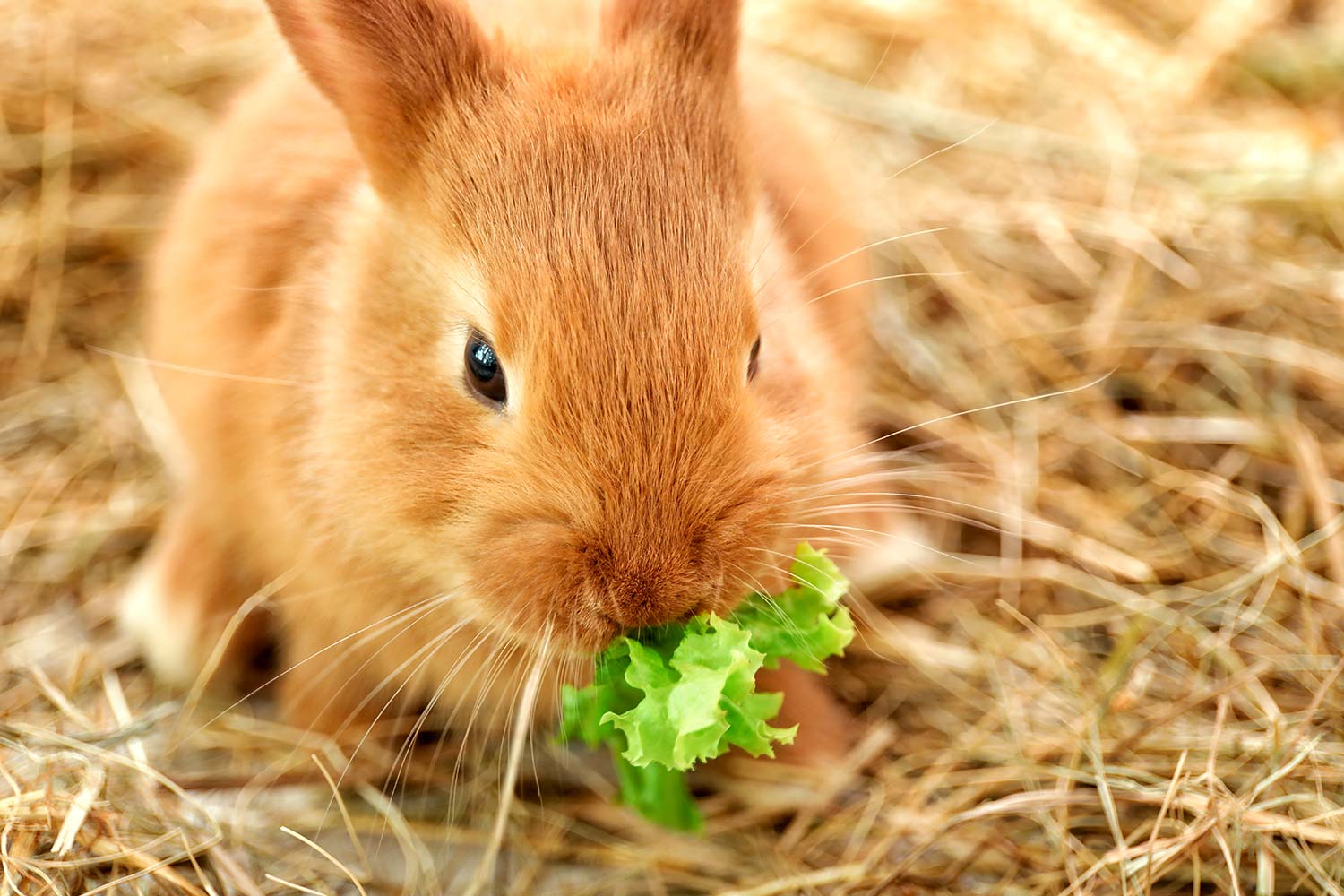
The answer—though a bit unsettling—lies in their habit of eating their own feces. This behavior is called caecotrophy (or self-coprophagy), and it is not limited to rabbits; animals such as beavers, guinea pigs, and possums do it as well. Small herbivores like rabbits lack the body size to support a multi-chambered stomach, and because their metabolism is fast, they must extract nutrients quickly and efficiently. They first absorb easily digestible nutrients from food and excrete the rest, then re-ingest it to extract additional nutrition. Although the mechanism differs, a rabbit’s caecotrophy follows the same principle as a ruminant’s cud chewing: food passes through the digestive system twice to maximize nutrient absorption.
The feces rabbits consume for this second digestion are not ordinary droppings. In addition to the round, hard pellets commonly associated with rabbit waste, they also produce soft feces called caecotropes. These appear in small, grape-like clusters glistening with mucus. Rabbits discreetly curl their bodies to eat them, usually at dawn—out of sight from human observers.
Caecotropes are highly nutritious: about 56 percent of their content consists of microorganisms and 24 percent of protein. They are produced in the caecum, a section of the intestine that accounts for about 40 percent of a rabbit’s digestive tract, through microbial fermentation. Like a cow’s rumen, the rabbit’s caecum houses diverse microorganisms that help break down cellulose and synthesize vitamins and minerals. The mucus coating of the caecotropes protects these microbes from stomach acid during re-ingestion.
If humans remove the caecotropes before the rabbit can eat them, the rabbit suffers from malnutrition and digestive disorders. Its protein intake drops by roughly 20 percent, and it cannot absorb vitamin B₂ at all. The gut microflora deteriorate in both quantity and quality, weakening the immune system and causing various physiological problems. The rabbit’s growth becomes stunted and, in severe cases, its life may be at risk.
Gentle, vulnerable herbivores extract vital nutrients from coarse plants through the slow and repetitive process of rumination. Though the method looks inefficient, this steady repetition enables them to obtain nutrients not originally present in the plant itself. A German philosopher once said that we should learn to ruminate like cows. In a world obsessed with speed, such patient reflection is a virtue we must reclaim. Like the ruminating cow, let us slowly chew over each lesson and truth, engraving it in our hearts until it becomes our own—and discovering the profound wisdom hidden within.