The Purifying Power of Nature: The Mystery of Self-Cleansing Ecosystems


Nanji Island in Seoul, Korea, was once a picturesque landscape where clear streams wound past willows, orchids, and thick reed beds. But in the late 1970s, as industrialization accelerated, Seoul Metropolitan Government designated the island as a landfill site. For more than a decade, over 9,000 metric tons of waste accumulated there, turning the once-beautiful island into a mountain of garbage.
The local ecosystem collapsed. Foul odors and harmful dust polluted the air. In 1993, the city finally stopped landfill operations and launched a large-scale restoration project. It was no quick fix—handling toxic gases, treating leachate from the waste mounds, and stabilizing the land enough to create an ecological park took nearly ten years.
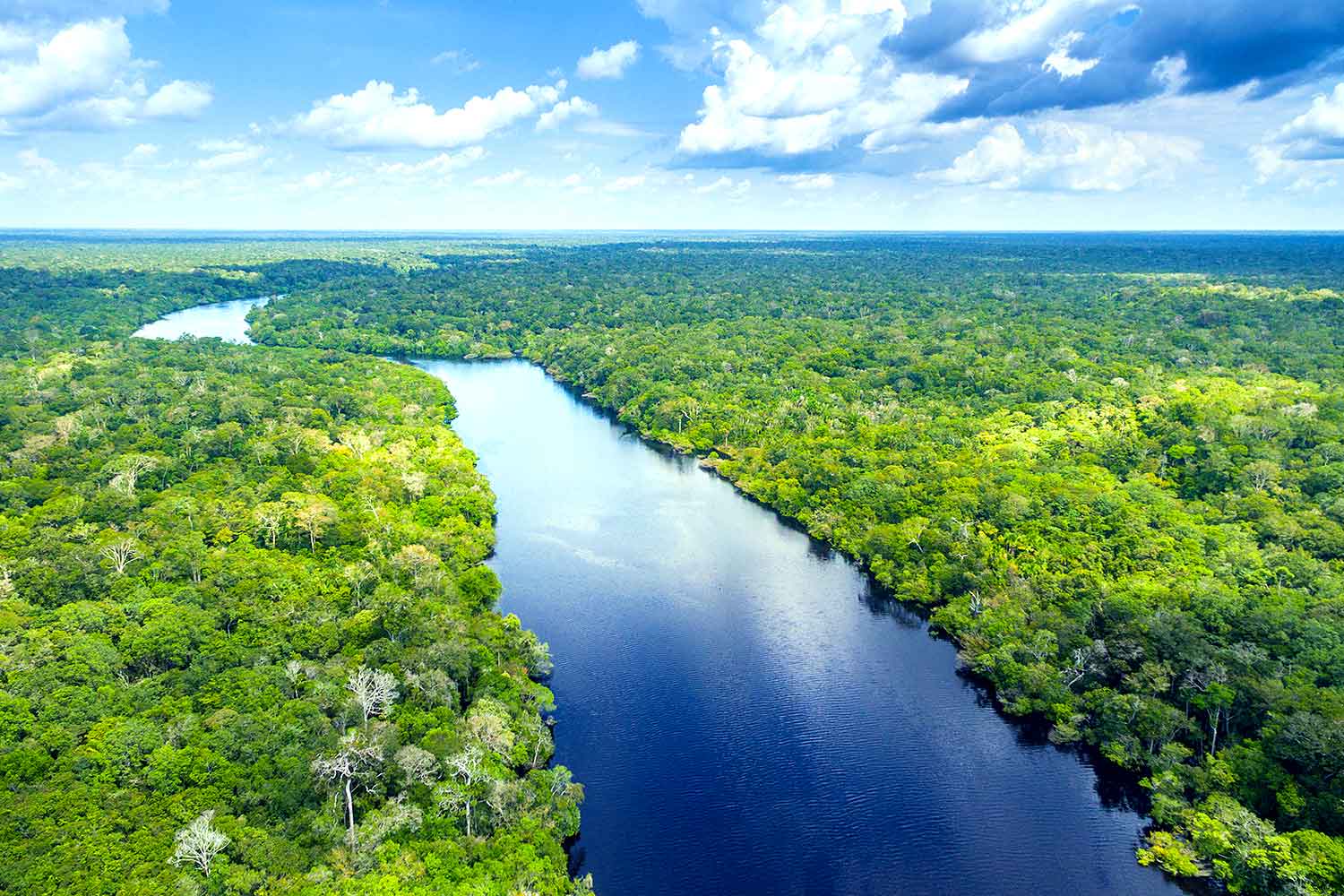
Cleaning up a polluted environment is an extremely complex task that demands enormous time, cost, and effort. Yet just as the human body has the ability to heal itself, nature also possesses powerful self-purifying mechanisms—physical, chemical, and biological—that work together to sustain life and maintain a healthy environment over time.
Water: Flowing, Blending, and Cleansing
Water begins as springwater in the mountains and flows through rivers into the ocean. Along the way, it picks up pollutants from animal waste, agricultural runoff, and industrial discharge. But nature can handle a certain level of contamination. Through self-purification, water can recover.
The most familiar mechanisms are dilution and dispersion, where pollutants mix with larger volumes of water and spread out until their concentration becomes less harmful. Other processes include:
• Fragmentation: Fast currents in shallow or narrow river sections break down suspended solids.
• Sedimentation: Pollutants settle to the bottom in slower currents, aided by bacteria and microorganisms.
• Sterilization: Sunlight kills harmful microorganisms in clear, shallow water.
Water’s constant movement also exposes it to air, replenishing oxygen levels. With more oxygen, aerobic microorganisms thrive and break down organic matter, improving water quality even further. Because water flows continuously toward lower ground, it has little chance to stagnate or decay.
The ocean—which contains 97 percent of Earth’s water—remains clean through the same principles. Driven by wind, temperature and salinity differences, and Earth’s rotation, seawater is always in motion. Circulation distributes oxygen and dissolved minerals, keeping marine life healthy. Even tropical storms can help, mixing stagnant layers and breaking up red tide events.
Tidal flats also play a crucial role. Plants along the edges trap organic matter from river inflows, and countless microorganisms break it down. A clam in tidal flats filter 5 to 10 liters of seawater a day. Korea’s 2,500 square kilometers (approx. 620,000 acres) of tidal flats have 1.5 times the purification capacity of all the nation’s sewage treatment plants combined. Worldwide, tidal flats cover more than 127,921 square kilometers (approx. 31,610,000 acres).
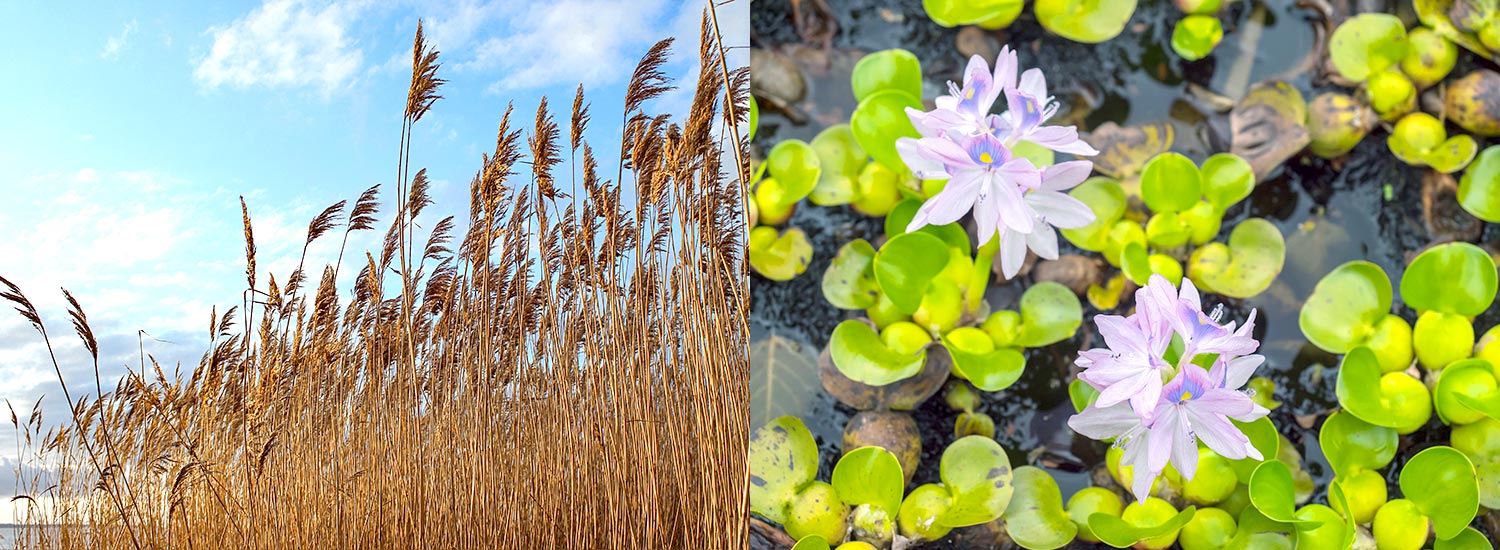
Freshwater organisms also contribute to natural purification. Aquatic plants like reeds, irises, and water hyacinths are major helpers. Unlike land plants, which draw in water mainly through their roots, aquatic plants can absorb nutrients through their entire structure, even drawing nitrogen and phosphorus through their roots to prevent eutrophication1. They also increase oxygen levels through photosynthesis and provide habitats for microorganisms that break down organic matter. Wetlands with strong aquatic ecosystems are therefore vital natural water purifiers.
1. Eutrophication: A process in which high concentrations of nutrients such as nitrogen and phosphorus cause explosive algal growth, leading to red or green tides.
Organisms That Help Cleanse the Soil
Soil is home to countless living organisms. It contains minerals, inorganic compounds, and layers of organic waste—animal remains, excrement, decayed plants, fallen leaves—all the by-products of life. This rich mixture creates an ideal environment for microorganisms that thrive on breaking down pollutants and recycling organic matter. Water and oxygen nestled between soil particles fuel these activities.
Microorganisms—including fungi, bacteria, and other microscopic life—are essential agents of natural purification. They break down and recycle nearly everything (except synthetic compounds), using these materials as energy. Some even use the chemical energy in minerals such as iron and manganese or in metal compounds. Because of this, they can limit the movement of heavy metals like uranium and arsenic in contaminated areas. Their numbers range from 10 million to 1 billion per gram of soil, and sometimes up to 10 billion.
Plants and animals that live in the soil also contribute. Earthworms—one of the most widespread soil organisms—burrow through the ground, consuming organic materials and breaking them down. Their activity softens, aerates, and enriches the soil, turning hazardous organic matter into stable substances that other organisms can safely use.
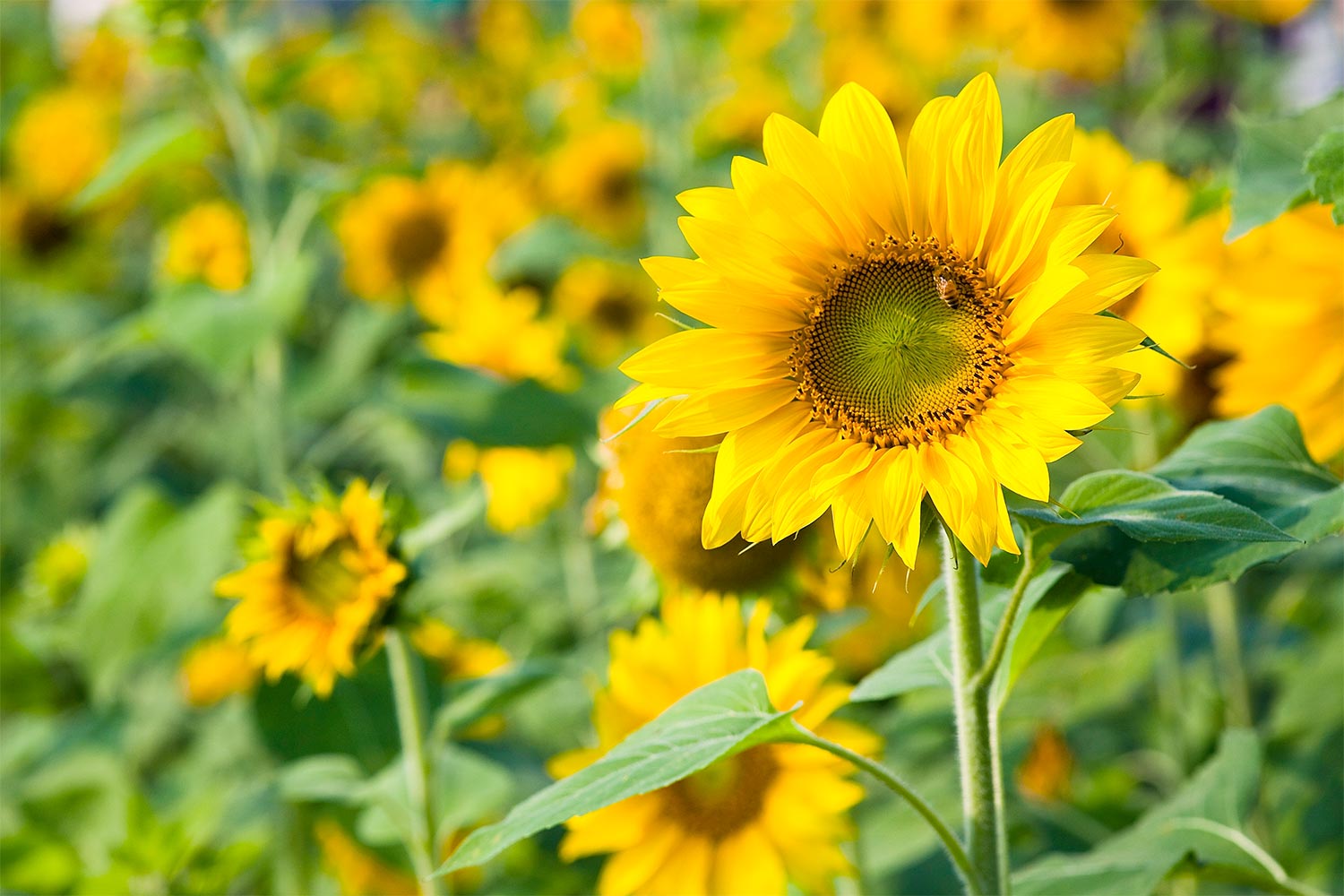
Plants help purify soil in various ways. Some absorb toxic elements directly. Others encourage the growth of helpful microbes around their roots. Certain species store harmful substances in specialized cell compartments called vacuoles to protect themselves from predators. Sunflowers, for example, are well known for absorbing and storing uranium, lead, arsenic, and even radioactive elements such as strontium and cesium. Goat willow in former mining regions have been found to accumulate cadmium and zinc in their leaves. In the Philippines, researchers identified a plant called Rinorea niccolifera, which can absorb nearly 1,000 times more toxic heavy metals than ordinary plants. These silent workers help restore vitality to land long damaged by human activity.
The Atmosphere, Purified by Nature’s Filters
The atmosphere faces pollution from natural forces such as volcanoes, wildfires, dust storms, and pollen, as well as pollution from human activities like transportation, industry, and fuel combustion. Wind can spread pollutants across great distances, but it also helps purify the air by dispersing them and reducing their concentration. Some studies suggest that yellow dust carried by the wind can even neutralize acidic soil and deliver minerals to marine plankton when it settles in the ocean. Although today’s yellow dust contains man-made pollutants like heavy metals and is often viewed negatively, it was originally part of Earth’s natural recycling system.
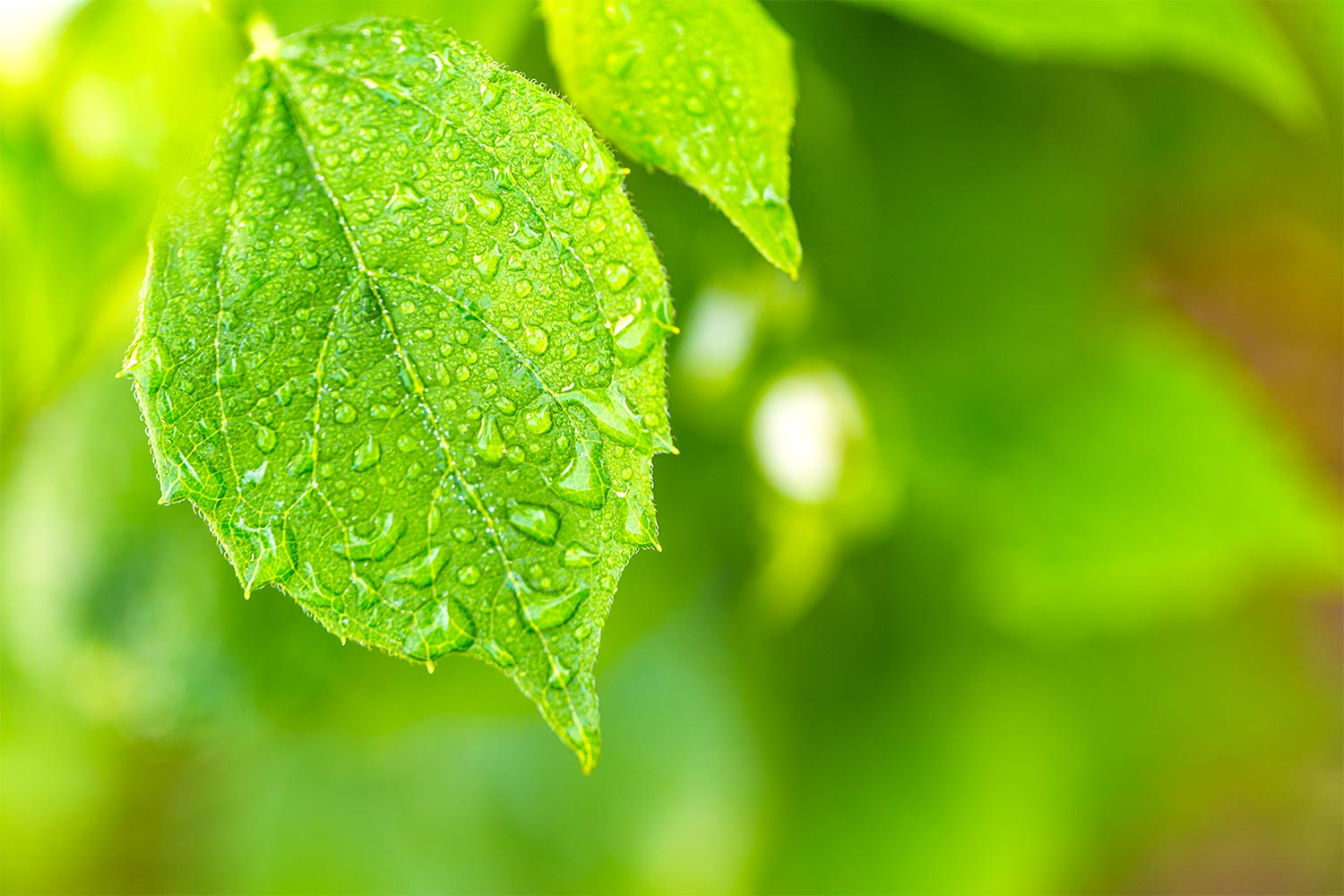
Rain is another powerful cleanser. Raindrops capture particles such as pollen and dust as they fall, purifying the atmosphere. During dry spring seasons, rainfall also helps prevent wildfires, reducing pollution at the source. Dust trapped on leaves is washed away by rainwater and returned to the soil.
Plants function as natural air filters, using their entire structure to cleanse the atmosphere. They mainly remove pollutants through transpiration and photosynthesis.
• Transpiration: Plants release moisture into the air. As water vapor exits the plant, more water is drawn up through the roots. This lowers the pressure around the roots, pulling airborne pollutants into the soil where microorganisms break them down.
• Leaf metabolism: Leaves absorb airborne pollutants, metabolize them, and release cleaner by-products.
• Photosynthesis: Plants take in carbon dioxide and release oxygen.
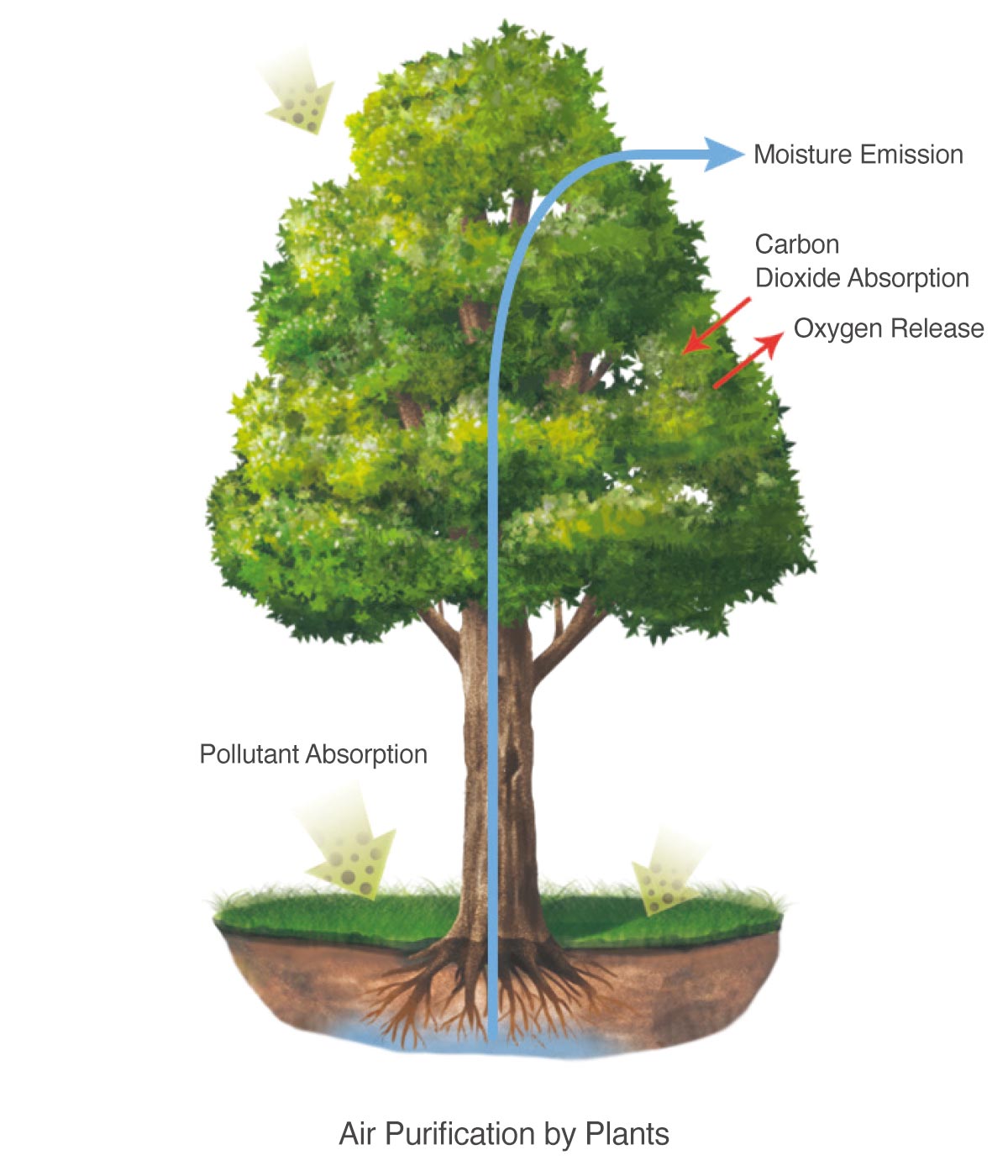
In 1989, National Aeronautics and Space Administration (NASA) in the United States showed that plants in a sealed room of 1 square meter (approx. 11 square feet) could remove up to 70% of airborne carcinogens like formaldehyde and benzene in just 24 hours.
The ocean—which covers two-thirds of the planet—also cleanses the atmosphere. Like a sponge, seawater absorbs carbon dioxide and holds it deep below. Shellfish and coastal halophytes absorb carbon through photosynthesis and release oxygen. According to the United Nations and the International Union for Conservation of Nature (IUCN), marine ecosystems absorb greenhouse gases up to 50 times faster than terrestrial ecosystems. Korea’s West Coast Climate and Environment Research Institute reports that tidal flats along the western coast offset greenhouse gas emissions equivalent to those produced by about 25,000 passenger cars each year.
Nature has always sustained itself—producing, purifying, and recycling on its own. But human-caused pollution has thrown this balance off, accelerating climate change and triggering unprecedented environmental crises. Despite building massive air purifiers and advanced filtration systems, we still fall far short of nature’s built-in capabilities.
Nature is equipped with remarkably intricate and efficient “cleaning tools.” How did such a precise and comprehensive system—one that even our most advanced technologies cannot replicate—come into existence?
- References
- Kim, Jun. 김준의 갯벌 이야기 (Kim Jun’s Tidal Flat Story), Ihu, 2009
- Jeong, Hae-sang. 미생물의 세계 (The World of Microorganisms), Iljinsa, 2016