Select a Language
2026 Sacred Assemblies: Passover, Festival of Unleavened Bread, and Resurrection Day
Resolving to Save Humankind While Engraving the Love Contained in the Festivals
For the salvation of humankind, God established the seven festivals in three times, from the Passover to the Festival of Tabernacles. Each festival, originating from Moses’ work in the Old Testament, also serves as a prophecy that reveals the work of salvation Jesus Christ would accomplish. The Church of God observes all seven festivals throughout the year according to the regulations recorded in the Bible, and preaches the love of God and the hope of the kingdom of heaven contained in them.
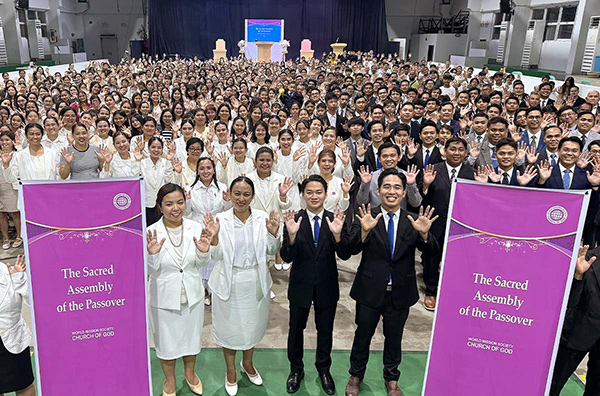
On the evening of April 1, the fourteenth day of the first month by the sacred calendar, the annual Festivals of 2026 began with the Sacred Assembly of the Passover. On the 2nd, the fifteenth day of the first month by the sacred calendar, the Sacred Assembly of the Festival of Unleavened Bread was held, followed by the Sacred Assembly of Resurrection Day on the 5th, the day after the first Sabbath following the Festival of Unleavened Bread. The members of the Church of God in 175 countries around the world reverently kept the festivals, giving thanks to God for granting the truth of salvation.
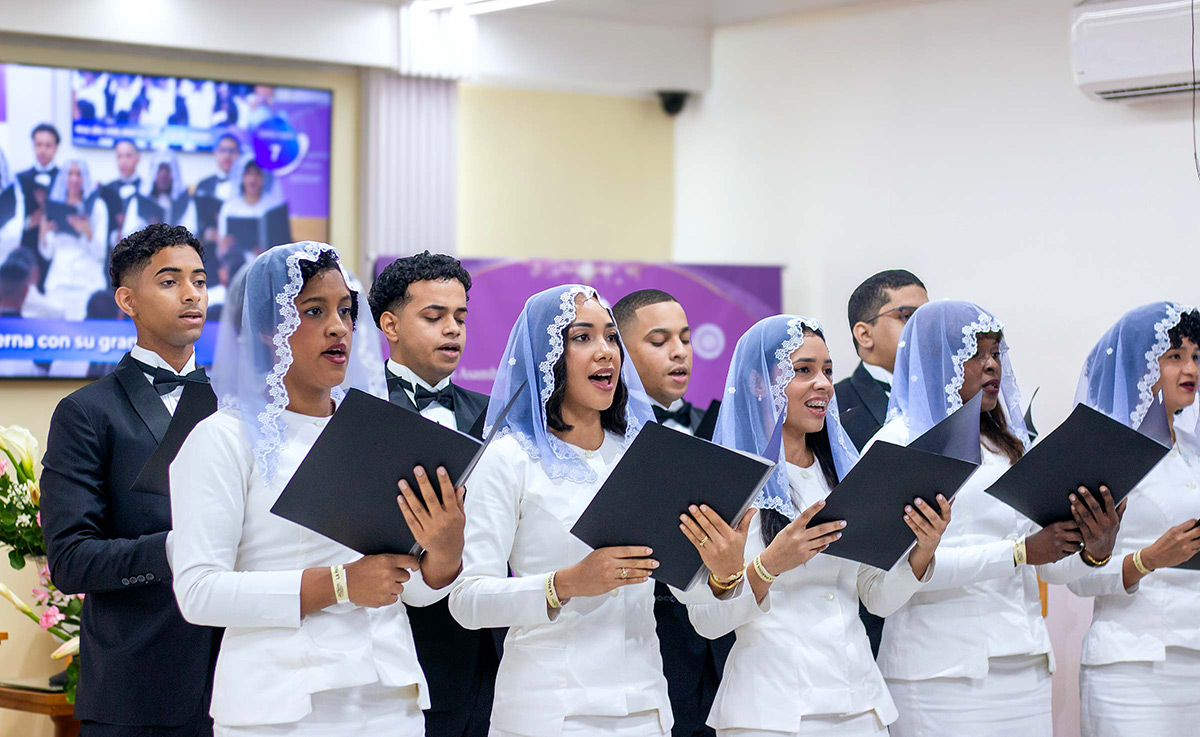
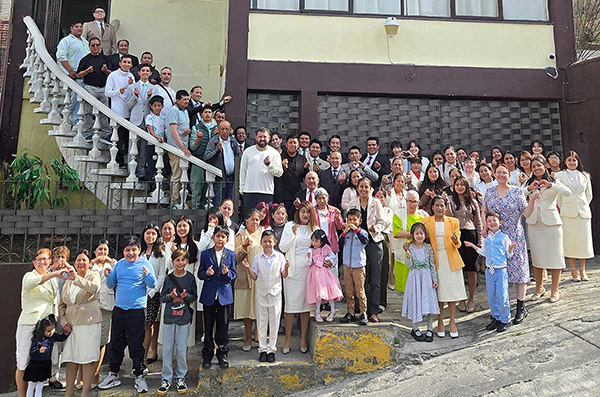
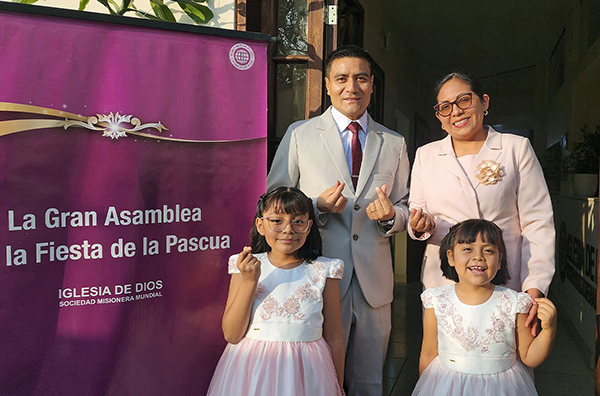
The Day to Eat From the Tree of Life, the Secret of Eternal Life: The Sacred Assembly of the Passover
The New Covenant Passover is the festival that Jesus earnestly desired to keep with His disciples before His suffering on the cross (Lk 22:14–15). This is because eternal life, which is essential for entering the kingdom of heaven, is promised through the Passover.
At the Sacred Assembly of the Passover held at the New Jerusalem Pangyo Temple, Mother gave thanks and glory to Father, who granted His children eternal life through the Passover and allowed them to enter the kingdom of heaven. She prayed that Her children would follow the example of the love contained in the festival and diligently deliver the message of salvation to many people who are fearful because of disasters, sharing true happiness and hope with them.
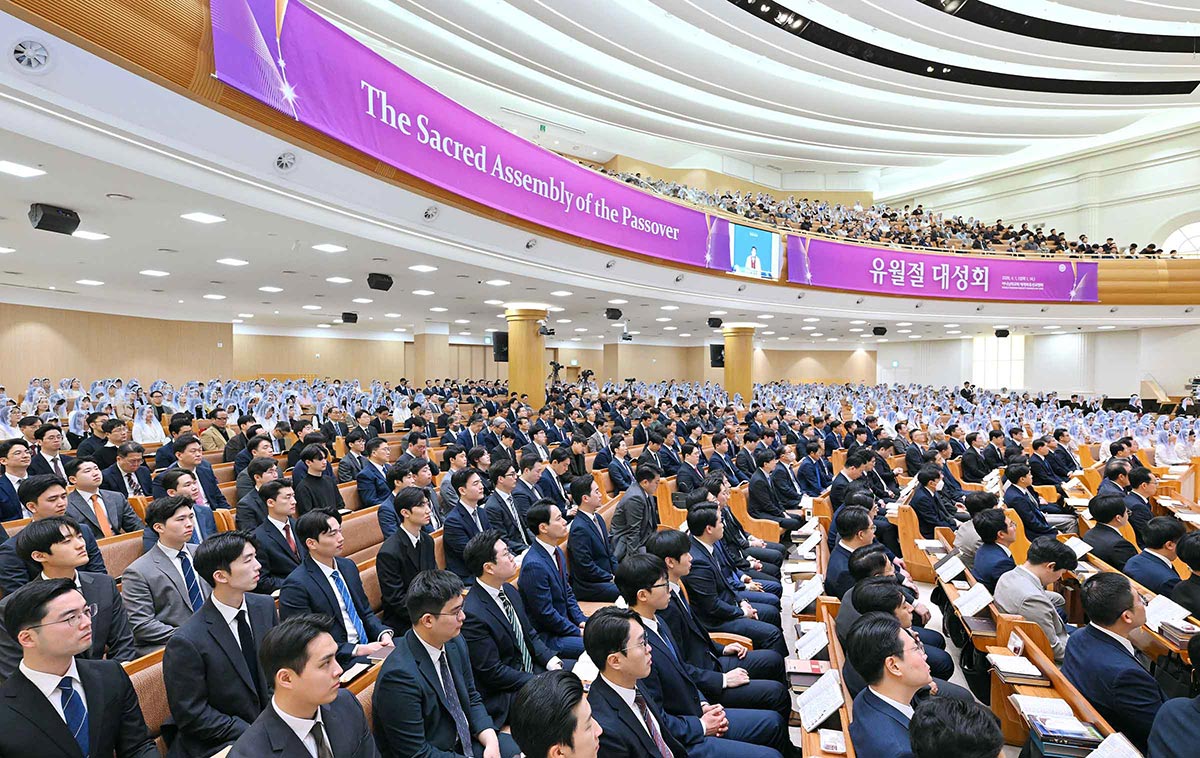
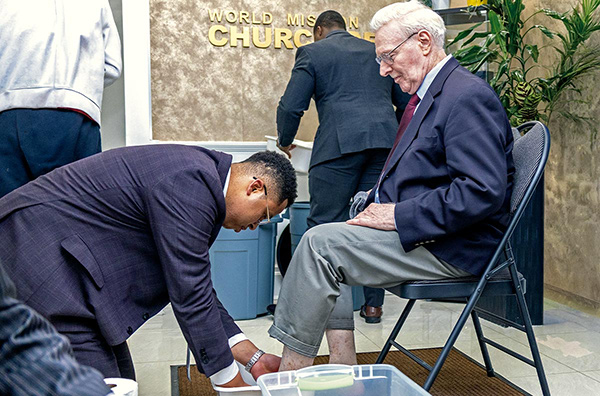
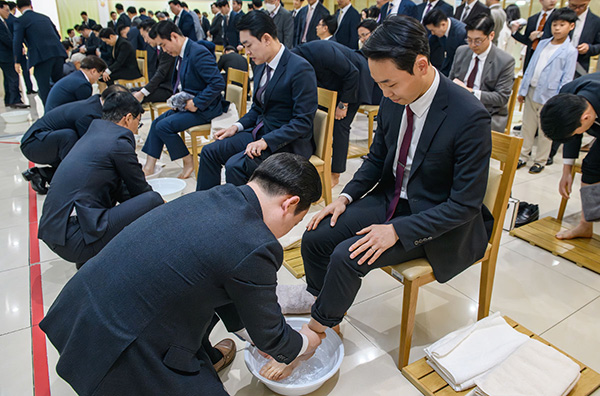
Before the Holy Supper Ceremony, the Foot-Washing Ceremony was held first in accordance with the teaching of Jesus, who washed His disciples’ feet (Jn 13:3–10). Mother humbled Herself and personally washed the members’ feet, and the members also washed one another’s feet, following Christ’s example of service.
In the Holy Supper Ceremony worship service that followed, General Pastor Kim Joo-cheol reminded the members of the blessing and value contained in the Passover through the history of the Garden of Eden. In Eden, there was not only the tree of the knowledge of good and evil, but also the tree of life, by which one could live forever simply by eating from it. However, after Adam and Eve ate from the tree of the knowledge of good and evil and sinned, God blocked sinners’ access to the tree of life, and the history of death began (Ge 2–3). General Pastor Kim explained, “The reason humankind did not know the secret of the tree of life for such a long time is that only God could open that way again.” He then explained the meaning of the Passover, saying, “The Passover is the truth through which we participate in the flesh and blood of Jesus, the reality of the tree of life, receive eternal life, become God’s children, and escape the last disasters” (Mt 13:34–35; Jn 6:49–54; Mt 26:17–28; Lk 22:7–20; 1 Co 11:20–26). Furthermore, he asked the members to participate in the Holy Supper with gratitude, saying, “For humankind, which has long searched for the way to eternal life, the Passover is indeed the happiest news—the gospel.”
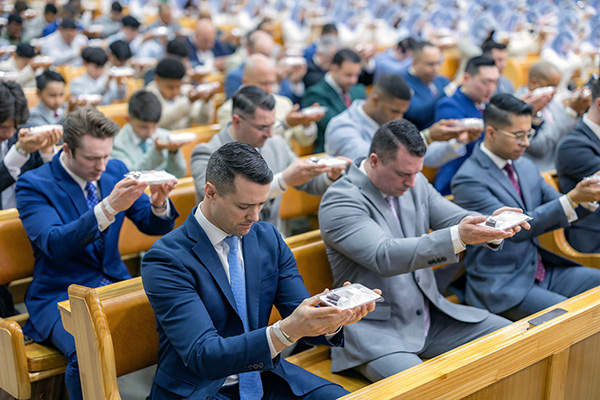
The members ate the Passover bread and drank the Passover wine, reflecting on the immeasurable love and sacrifice of God, who established the New Covenant Passover with His body, which would be hung on the cross the next day, and His blood, which would be shed on the cross, and thereby allowed them to eat from the tree of life.
After the worship service, Mother reminded the members of Jesus’ command, “Go and teach all nations to obey the gospel,” and urged them, saying, “There are still many people who have not heard the precious truth of life. Let us make known to them the New Covenant Passover and receive blessings together.”
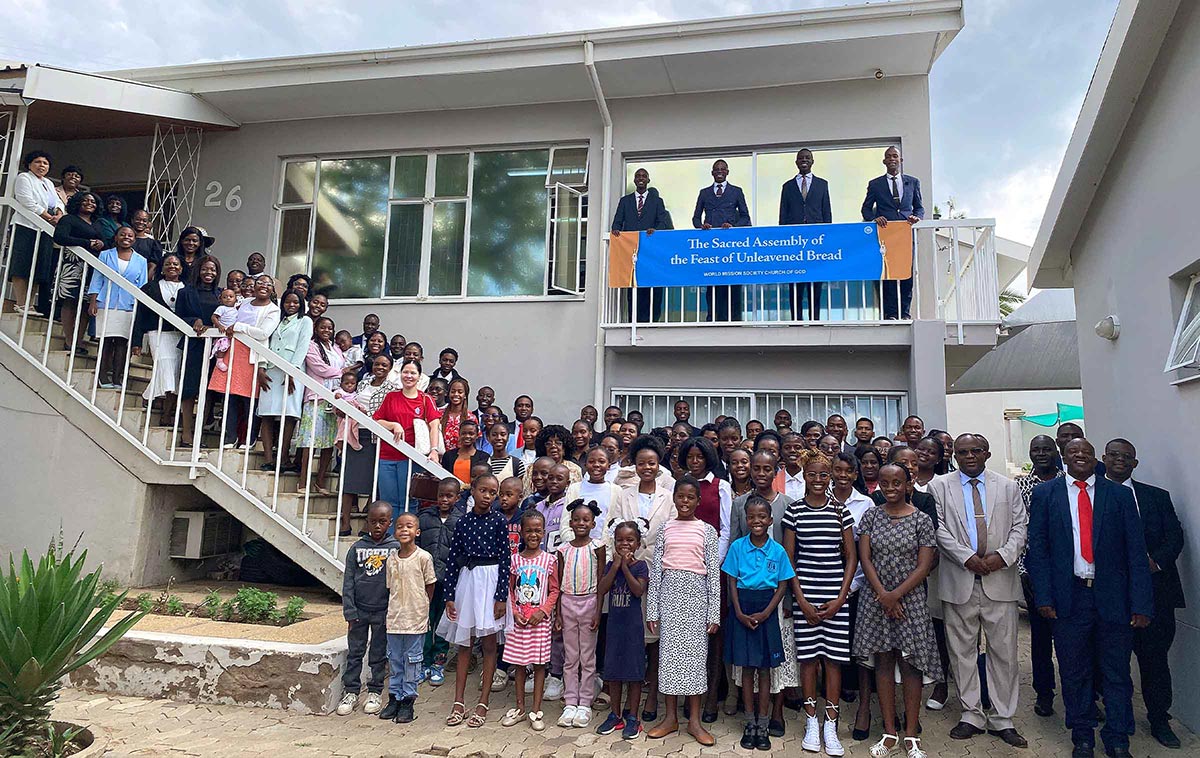
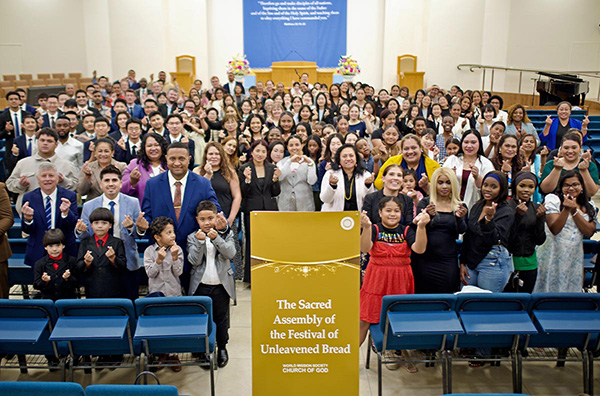
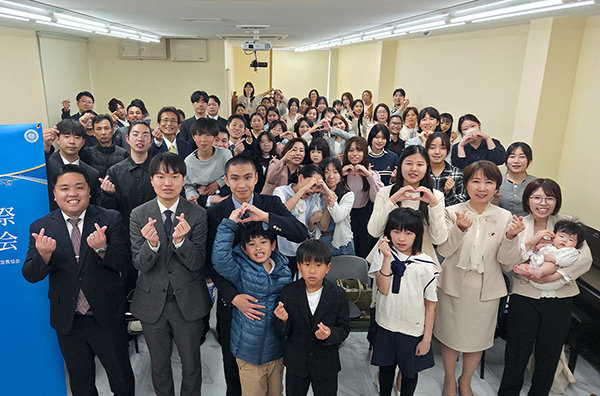
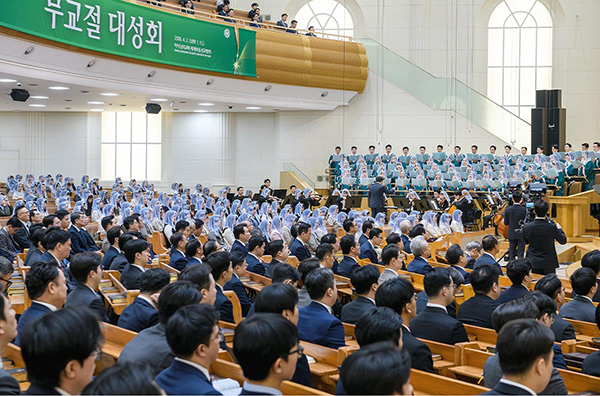
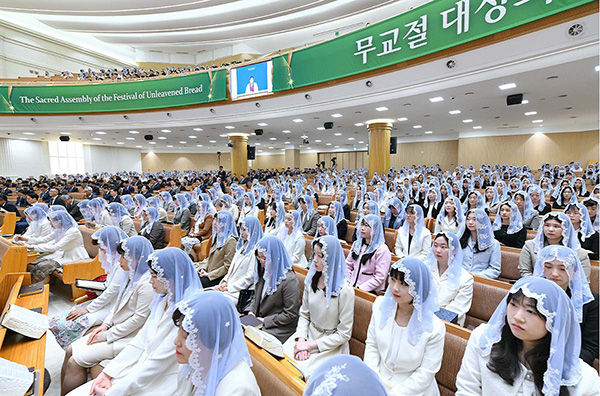
Engraving Christ’s Sacrifice in Our Hearts: The Sacred Assembly of the Festival of Unleavened Bread
After keeping the Passover, Jesus was arrested that night and interrogated by the Sanhedrin, and on the following day, the Festival of Unleavened Bread, He was nailed to the cross, suffered, and passed away. The Bible explains that His sacrifice was to atone for the sins committed by humankind (Mt 20:28).
At the Sacred Assembly of the Festival of Unleavened Bread, Mother gave deep thanks for the sacrifice of Father, who willingly endured the pain of death for His children, sinners from heaven, and hoped that all Her children would follow the example of His sacrifice and love and devote themselves to saving souls.
General Pastor Kim Joo-cheol preached, “We must not forget how much Jesus loved us, to the point of giving up His own life for us” (Isa 53:1–11; Eph 2:1–8; Gal 3:13–14). He continued, “The members of the early Church, who deeply engraved Christ’s sacrifice in their hearts, preached the truth without yielding even in the face of trials of death. Let us also forever remember the traces of the great love left by Father and Mother, care for the brothers and sisters around us with love, and take pity on those who wander without knowing the truth and lead them to salvation” (Mt 16:24; 1 Pe 2:19–25; 5:7–10; Gal 6:14–17; Ac 21:10–13; Heb 11:33–40).
On this day, the members commemorated Christ’s sacrifice and renewed their faith by fasting, according to the words of Jesus: “The time will come when the bridegroom will be taken from them; on that day they will fast” (Mk 2:20).
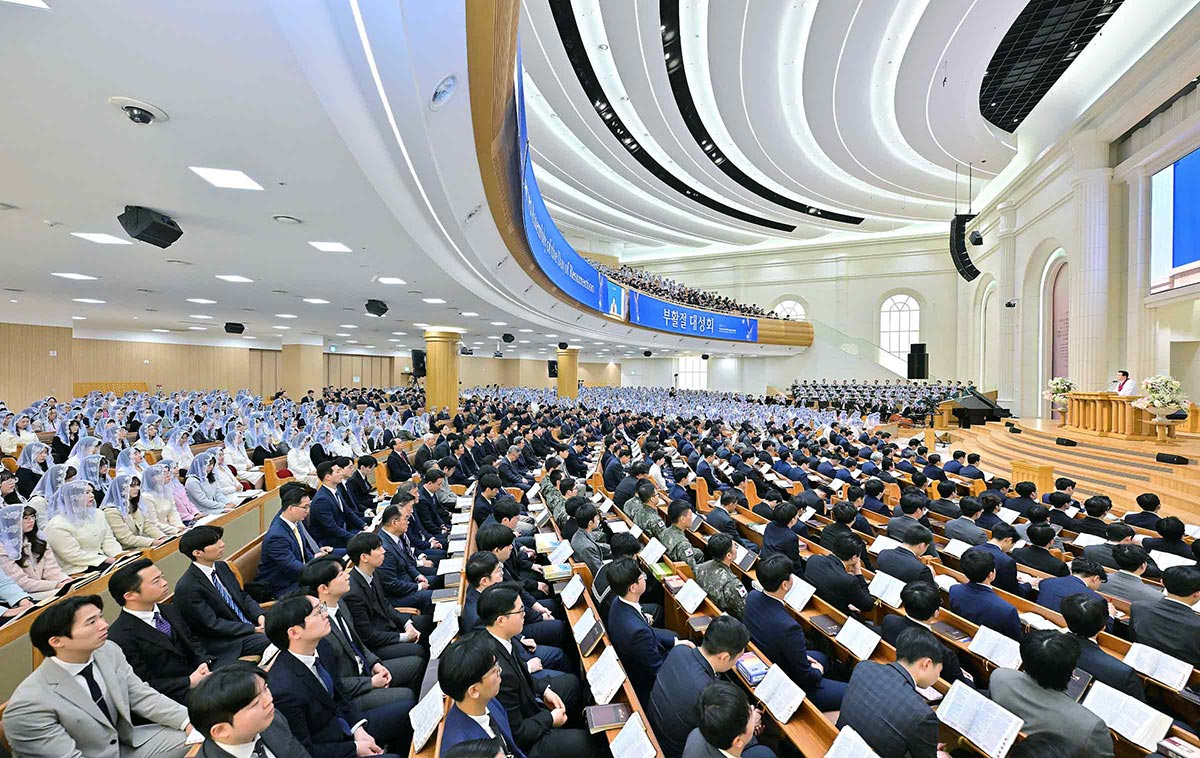
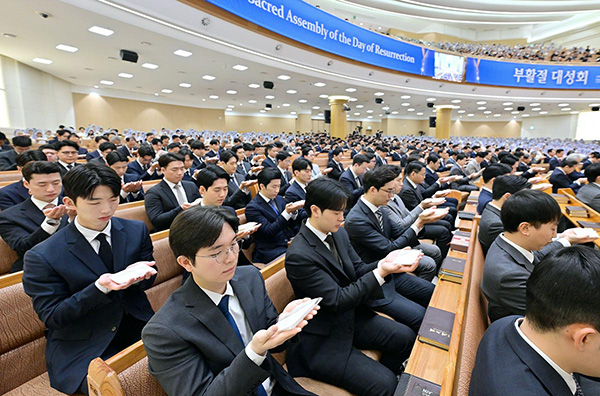
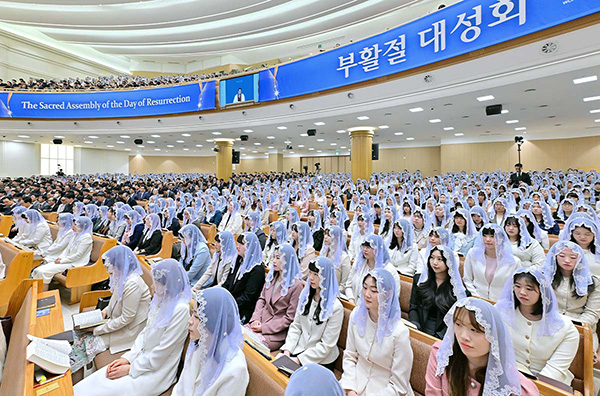
Running the Path of the Gospel Toward a Glorious Future: The Sacred Assembly of Resurrection Day
Jesus rose from the dead on the third day after He passed away on the cross and was buried. This astonishing event marked a great turning point in the gospel work of the early Church 2,000 years ago. The members revived their faith, which had weakened after Jesus’ suffering, with the hope of resurrection, and quickly and boldly preached Christ, who grants that blessing to believers.
At the Sacred Assembly of Resurrection Day, which commemorates the history of 2,000 years ago, Mother gave thanks and glory through prayer to Father, who planted in His children the living hope of resurrection. She hoped that Her children would achieve a resurrection of faith, filling what they lack and being born again completely, thereby opening the way of salvation for many people and repaying God’s grace.
The Old Testament name of Resurrection Day is the Festival of Firstfruits. General Pastor Kim Joo-cheol instilled conviction in the members, saying, “Jesus fulfilled the prophecy of the Festival of Firstfruits by being resurrected as the firstfruits of those who had fallen asleep, and showed that humankind, which had been destined for death, can enjoy the glory of resurrection and transformation in faith. If we follow God uprightly, we too will participate in the glorious resurrection in the future.” He also emphasized, “Even at the moment when the members who had witnessed the suffering of the cross fell into despair, God was preparing the hopeful news of resurrection for them. Even when we face trials, let us not become discouraged, but look toward the future in which the glorious resurrection is promised and diligently preach the gospel” (Mt 28:1–10; 1 Co 15:12–20, 50–58; 1 Th 4:13–18; Php 3:20–21).
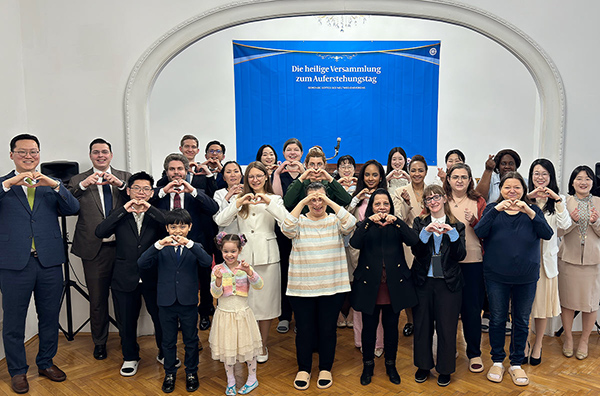
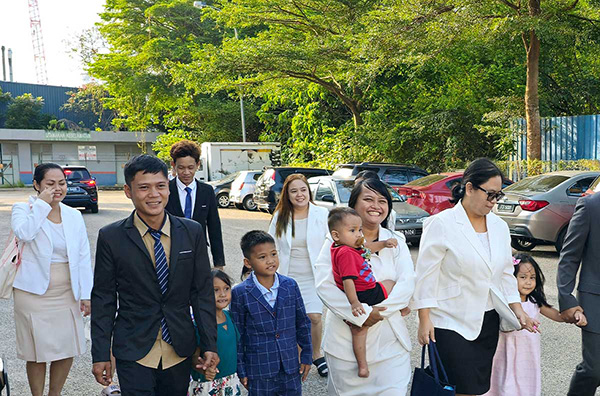
After the worship service, the members shared the Resurrection Day bread with thankful hearts toward God. This followed the example of Jesus, who, on the day He was resurrected, appeared to the two disciples on their way to Emmaus and opened their spiritual eyes by breaking bread for them (Lk 24:13–34).
Mother encouraged Her children, who had kept the festivals one after another, and blessed them, saying, “Even though life on this earth may be wearying, a glorious and everlasting life in the kingdom of heaven is waiting for us, so let us take strength with that joy.”
The members in Korea and abroad, who reflected on the unique blessings and realizations contained in each festival, strengthened their resolve to do their best to preach the message of salvation that all people are waiting for.
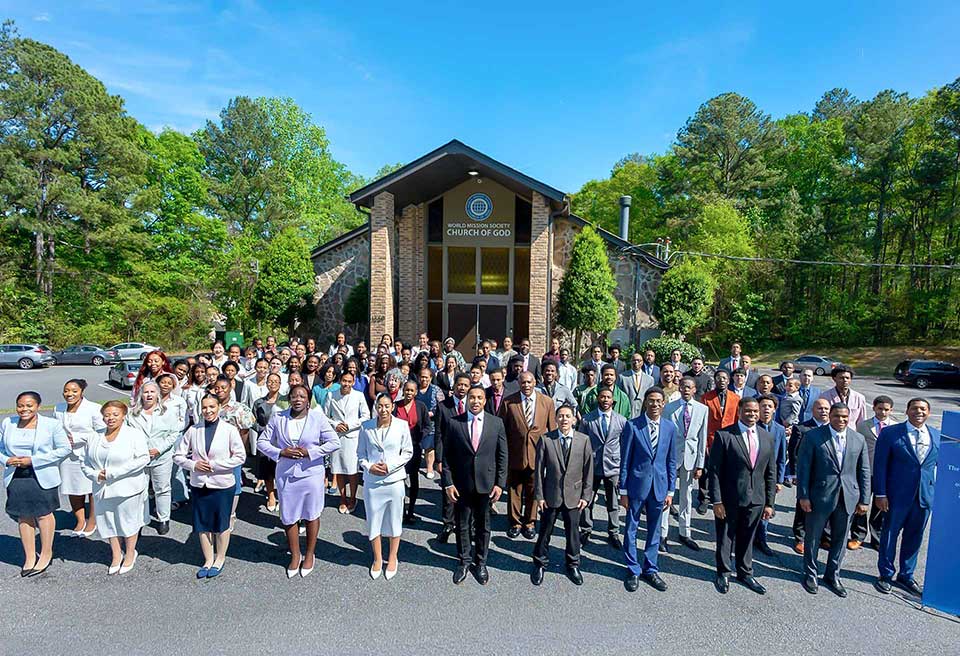
“This year, I kept the Passover for the first time. More than anything, I am so happy to have received the blessing of becoming a child of God. I will diligently preach the gospel so that more people can meet God the Father and God the Mother and keep the Passover, the truth of the tree of life, together.” Angel Manuel Perez Villanueva from Los Angeles, CA, U.S.
“As I kept this Passover, I thought a great deal about the people around me who have not yet heard the truth. I earnestly hope that they too will keep the Passover, which contains God’s love, and be saved together.” Esther Müller from Berlin, Germany
“After being discharged from the military, keeping the festivals in Zion felt especially meaningful. I resolved to devote myself to saving souls with the heart of Father, who sacrificed Himself to restore the new covenant. As a young adult like the dew of the dawn, I want to support the gospel work in Europe.” Kim Hyun-doo from Uijeongbu, Korea
“I am proud to be a member of the Church of God, which keeps the festivals of the new covenant according to the words of the Bible and leads humankind to salvation. Thinking of the great love God has bestowed on us, I will devote myself to saving souls.” Cécile Ezin from Cotonou, Benin
※ More detailed information, including the origin of each festival, can be found in the Church of God Knowledge Encyclopedia.


